
 简体中文
简体中文
 English
 Français
 日本語
日本語
 Deutsch
0086-574-88881358
0086-574-88473625

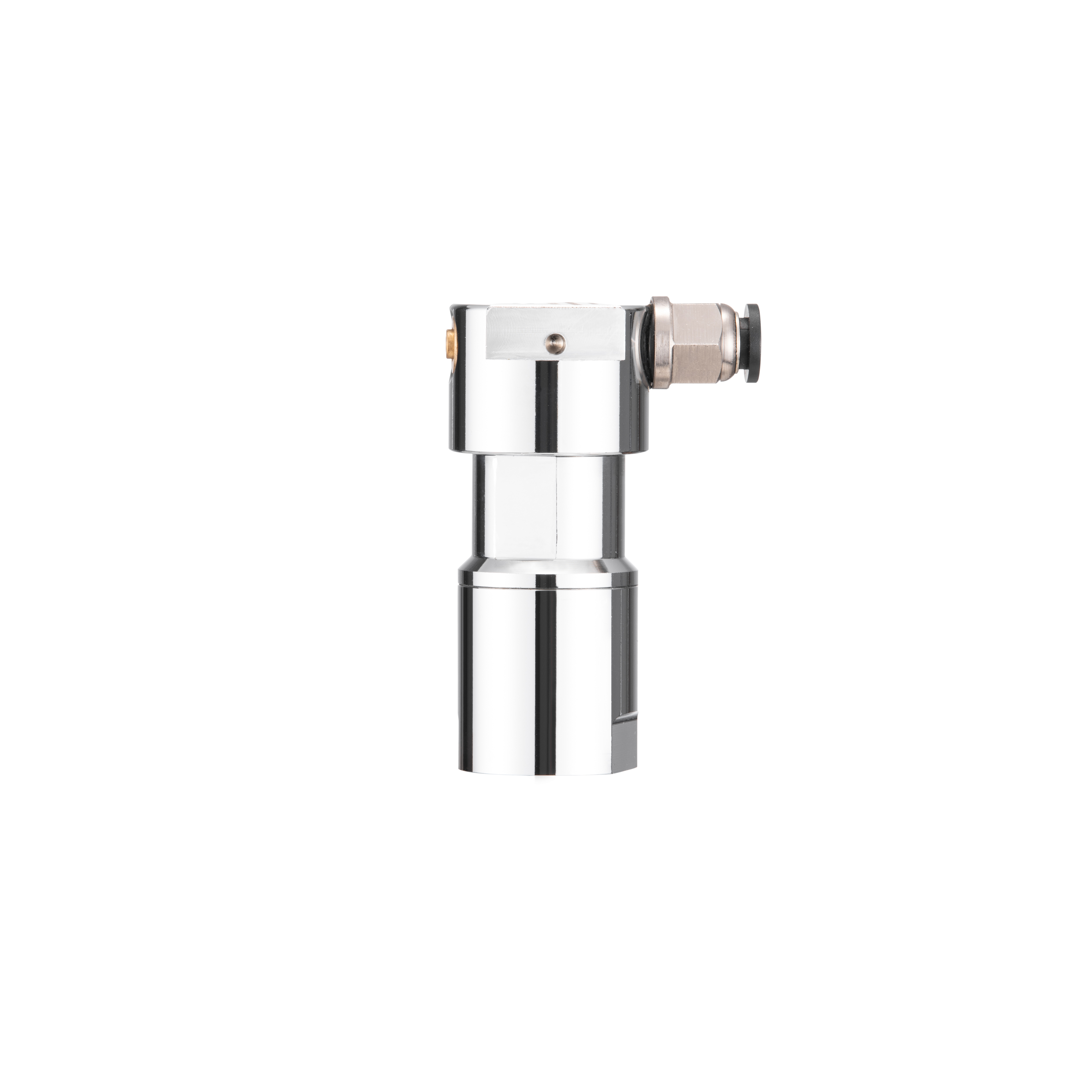
RP06-Sparkling Water Pressure Regulator
Intended for use with carbonated beverage dispensing systems.
Top-Outlet design for compact & streamlined layout
Built-in relief valve guarantees system protection and enhanced user safety
Sealing-before-Opening mechanism ensures no gas is wasted during cylinder engagement
The ergonomic plastic casing allows for user-friendly, hand-tightened installation ( Max. torque:4N•m.)
External Mounting makes it easily accessible for cylinder changes.
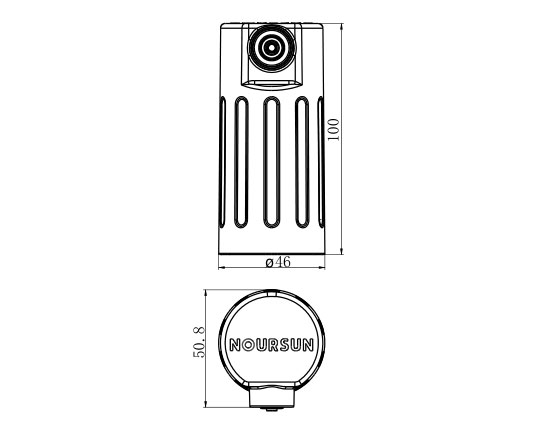
| Material | ▲ | Brass | ||
| Medium | CO2 | |||
| Operating Temperature | -5℃~43℃ | |||
| Max. Working Pressure | 12Mpa | |||
| Proof Pressure | 30Mpa | |||
| Output Pressure | ▲ | 0.30Mpa~0.55Mpa | ||
| Output Pressure Accuracy | ±0.03MPa | |||
| Inlet Port | ▲ | TR21×4 / φ21-6ACME / G1/2-14 | ||
| Outlet Port | ▲ | 1/4" / 6mm quick-turning joint | ||
| Relief Pressure(LP side) | 0.7±0.07Mpa | |||
| Net Weight | 234g | |||
| (▲ marked parts are standard parameters available for customization.) | ||||
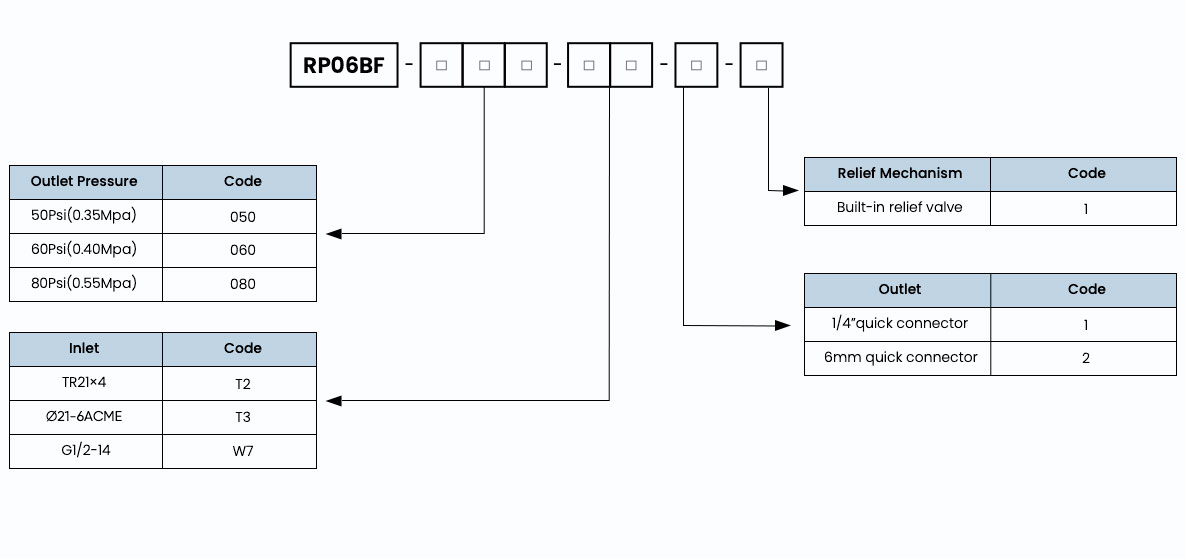
* Ordering code = Model + "-"+Outlet Pressure+"-" + Inlet+"-"+Outlet+"-"+Relief Mechanism
Example: RP06BF-060-T2-1-1
Contact Us to Place Your Order
Get quotations, request custom configurations, or receive technical support
Contact Us Now
Consistent gas delivery is what separates a properly carbonated pour from a flat or foam-heavy one, and that consistency starts with the regulator sitting between the cylinder and the dispensing line. A Sparkling Water Pressure Regulator steps down high cylinder pressure to a stable working pressure so sparkling water keeps the same level of fizz, pour after pour, instead of drifting from one refill to the next. The same principle applies across the wider group of components often grouped under Beverage Dispensing Regulator or Beverage Gas Regulator terminology — parts used on soda fountains, draft lines, home carbonators, and commercial beverage systems alike. Some settings, such as shared food-service kitchens, call for an NSF Certified Beverage Regulator where food-contact hygiene is part of the purchasing decision, while smaller operations may just need a dependable Sparkling Water Regulator sized correctly to their cylinder and flow rate. Understanding how these regulators behave under different loads helps operators avoid the two most common complaints on any beverage line: flat product, and foam that wastes half the pour.
Ningbo Noursun Industrial Co., Ltd. builds every regulator around one working idea: safety, stability, simplicity, and aesthetics should show up in the actual pour, not just on a spec sheet. That starts with matching output pressure to the beverage it's feeding. Sparkling water generally dispenses well within a narrower pressure band than a syrup-based soda line, because a few extra PSI over-carbonates the water and produces a sudden rush of foam at the tap, while a few PSI under leaves it flat and noticeably less crisp. Beer and kombucha sit at different points again, since their carbonation targets and serving temperatures aren't the same. The chart below shows the kind of typical operating ranges operators commonly work within when setting up a beverage gas line — actual figures always depend on the specific product, line length, and dispense temperature.
Reading a chart like this is only half the job — the regulator also has to hold that setting steady as cylinder pressure drops through the day. A Beverage Gas Regulator that can't compensate for a falling supply pressure will let output pressure creep down along with it, which is why the diaphragm design and spring response matter as much as the printed pressure range.
The right regulator setup changes with the environment it's dispensing into. A busy bar running multiple taps off one gas cylinder needs different flow headroom than a countertop carbonator refilling one glass at a time, and that difference is largely built on an integrated R&D-to-manufacturing process at Ningbo Noursun Industrial Co., Ltd., where zero-defect management keeps out-of-spec units from ever leaving the production line, so the transition from customer requirement to finished part stays short and predictable. The table below breaks down how demand and preferred regulator type tend to line up across common settings.
| Dispensing Environment | Typical Flow Demand | Preferred Regulator Type |
|---|---|---|
| Home carbonation / countertop | Low, intermittent | Compact Sparkling Water Regulator |
| Café / commercial kitchen | Moderate, steady | NSF Certified Beverage Regulator |
| Bar / multi-tap draft system | High, sustained | Multi-line Beverage Dispensing Regulator |
| Bottling / small-batch production | High, continuous | High-capacity Beverage Gas Regulator |
Undersizing a Beverage Dispensing Regulator for the flow it actually needs to support is one of the most common setup mistakes — it shows up as pressure sag during peak service hours rather than as an obvious failure, which makes it easy to miss until customers start noticing inconsistent pours.
A regulator that performs well on day one still needs to hold that performance months later, under repeated pressure cycling, temperature swings, and the occasional low-cylinder scramble during a busy shift. Diaphragm fatigue, seat wear, and small amounts of debris in the gas line are the usual reasons a once-stable Sparkling Water Regulator starts drifting off its set point. The line chart below illustrates the kind of gradual pressure drift that can appear over months of continuous service if a regulator isn't well matched to its duty cycle, compared with one that holds steady.
Radar comparisons are useful for weighing these trade-offs at a glance, since durability, responsiveness, and pressure consistency don't always improve together in a single design.
None of this happens on its own — it depends on people who understand both the mechanics of the regulator and the realities of a working beverage line, which is the thinking behind Ningbo Noursun Industrial Co., Ltd.'s effort to build a talent symbiotic system, aligning individual expertise with the company's broader goals so regulator design keeps improving alongside real dispensing feedback rather than staying static.
They're built on the same underlying mechanism, but a Sparkling Water Regulator is usually tuned and sized for the narrower pressure band sparkling water needs, while a general Beverage Gas Regulator may be set up to cover a wider range across several beverage types on the same line.
It depends on the setup and what the venue's own food-service requirements call for. Kitchens with shared or public-facing beverage stations often prefer this option specifically because of the food-contact considerations involved.
A quick check at the start of each shift is common practice for high-volume setups, since it catches drift early, while lower-volume home or office use can typically go longer between checks.
Some multi-line setups do run several beverages off a shared regulator, but it only works well when every line on that manifold shares a similar pressure requirement — mixing a low-pressure sparkling water line with a high-pressure syrup line off the same regulator usually causes one of them to be poorly served.
ADD: No. 50, Zhongxing East Road, Xikou Town, Fenghua District, Ningbo City, Zhejiang Province, P.R. China
0086-574-88881358
0086-574-88473625
About Us
Industry Applications
News & Events
