
 简体中文
简体中文
 English
 Français
 日本語
日本語
 Deutsch
0086-574-88881358
0086-574-88473625

RP20-Beer CO2 Regulator
Designed for the beer/beverage distribution market, connects to various cylinders or tanks to deliver stable pressure to end users.
Lightweight and portable design.
Leak-proof puncture technology protects users when tightening the cylinder.
Maximizes utilization via zero leakage.
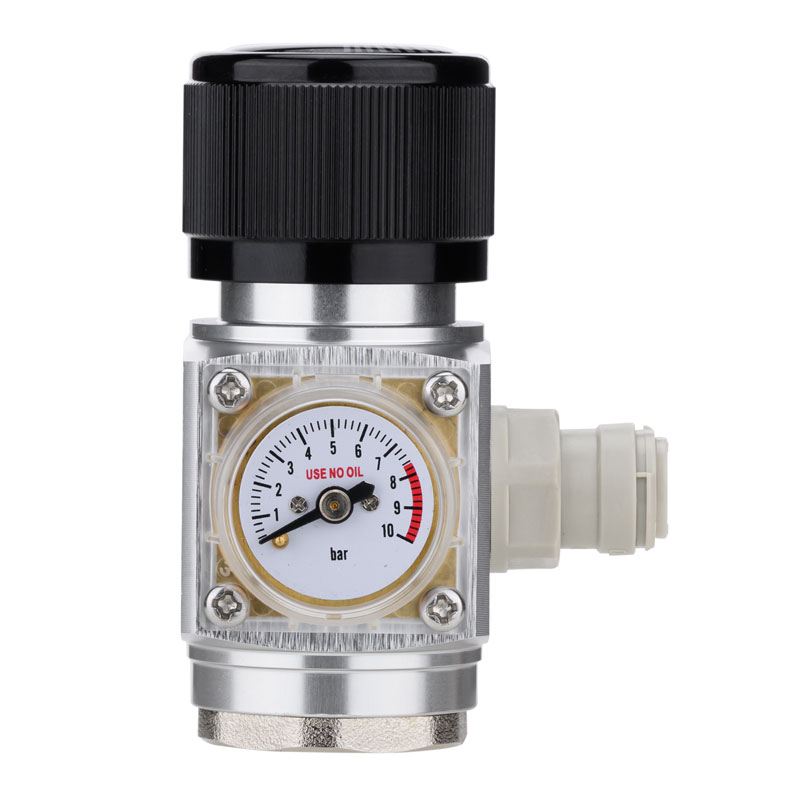
| Material | ▲ | Aluminum | ||
| Medium | CO2 | |||
| Operating Temperature | ‑5℃~43℃ | |||
| Max.Working Pressure | 12Mpa | |||
| Proof Pressure | 30Mpa | |||
| Output Pressure | ▲ | 0.03~1.00Mpa | ||
| Output Pressure Accuracy | ±0.02MPa | |||
| Pressure Indication | Push-in type pressure gauge | |||
| Indication Accuracy | Class IV (EN 837-1) | |||
| Inlet Port | ▲ | 3/8-24UNF / 5/8-18UNF | ||
| Outlet Port | ▲ | G1/8 / NPT1/8 | ||
| Relief Pressure (HP side) | 20Mpa | |||
| Mounting | ▲ | Null / M3*4 | ||
| Net Weight | 175g | |||
| (▲ marked parts are standard parameters available for customization.) | ||||
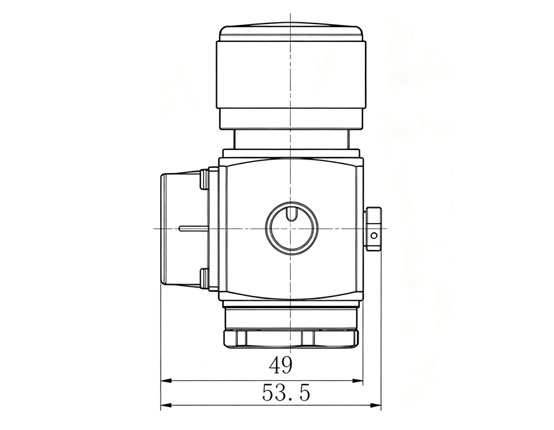
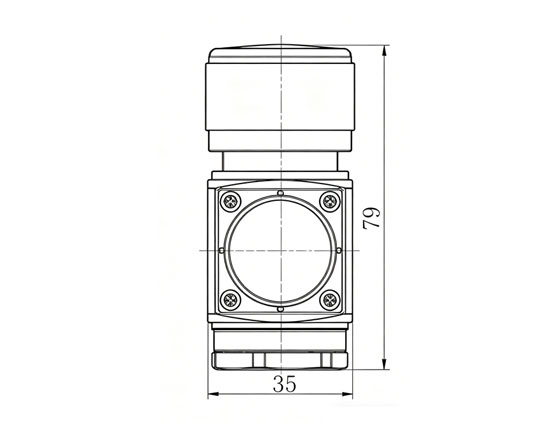
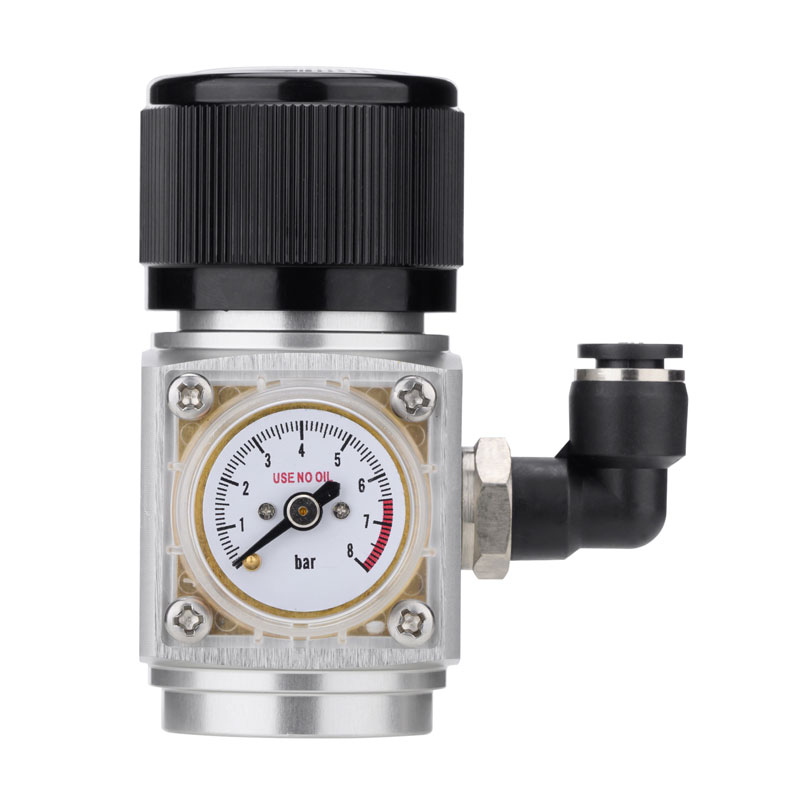
| Material | ▲ | Aluminum | ||
| Medium | CO2 | |||
| Operating Temperature | ‑5℃~43℃ | |||
| Max.Working Pressure | 12Mpa | |||
| Proof Pressure | 30Mpa | |||
| Output Pressure | ▲ | 0.03~1.00Mpa | ||
| Output Pressure Accuracy | ±0.02MPa | |||
| Pressure Indication | Push-in type pressure gauge | |||
| Indication Accuracy | Class IV (EN 837-1) | |||
| Inlet Port | ▲ | M10 / M11 | ||
| Outlet Port | ▲ | G1/8 / NPT1/8 | ||
| Mounting | ▲ | Null / M3*4 | ||
| Net Weight | 170g | |||
| (▲ marked parts are standard parameters available for customization.) | ||||
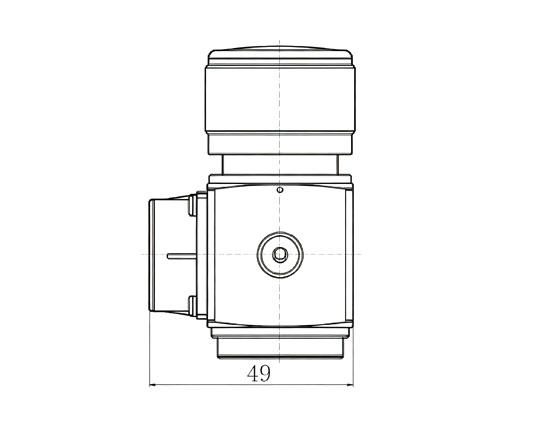
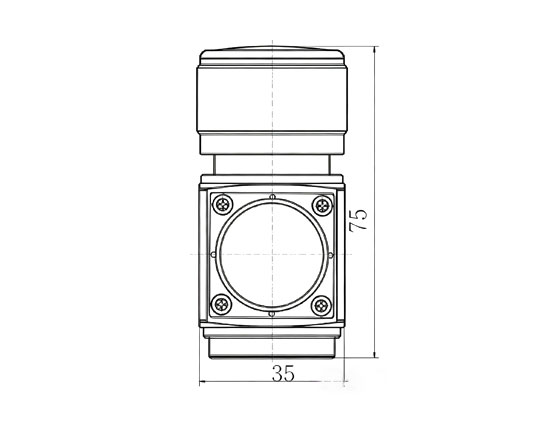
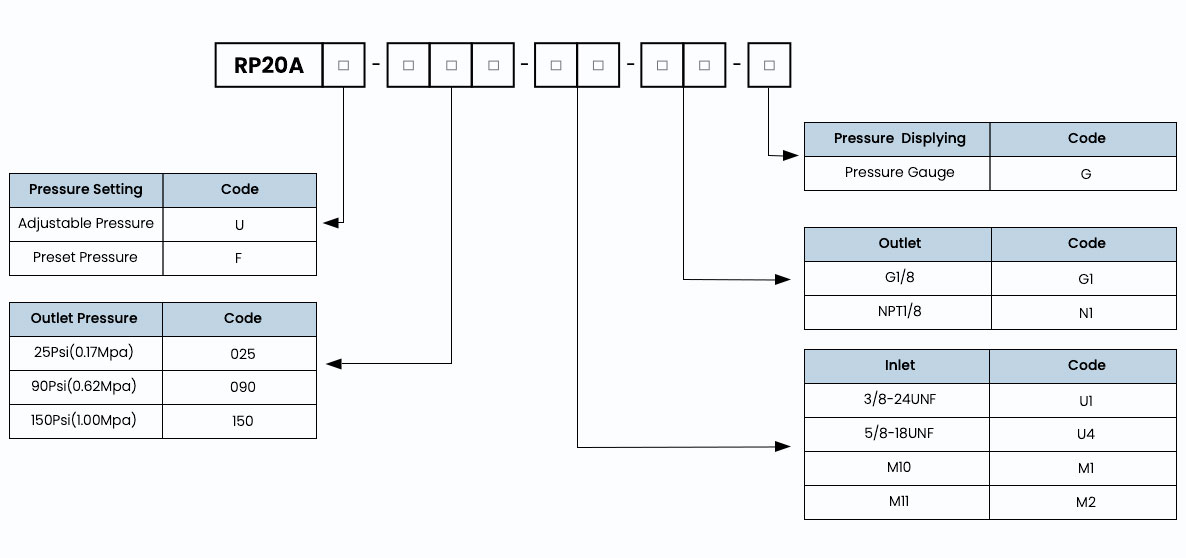
* Ordering code = Model +Pressure Setting+ "-" +Outlet Pressure+"-" + Inlet+"-"+Outlet+"-"+Relief Mechanism
Example: RP20AU-090-U4-G1-G
Contact Us to Place Your Order
Get quotations, request custom configurations, or receive technical support
Contact Us Now
A Beer CO2 Regulator sits at the center of every draft dispensing setup, converting high-pressure gas from a cylinder into a steady, controllable flow that pushes beer from keg to tap. Whether it is called a Beer Dispensing Regulator, a beer gas regulator, or simply a beer regulator, its job stays the same: hold pressure within a narrow band so carbonation, pour speed, and foam stay predictable pour after pour. This piece looks past the basic product description and into how pressure behaves across beer styles, why gauge configuration matters, and how to read the warning signs when a pour goes wrong.
A cylinder of CO2 stores gas at pressures that can exceed 800 psi depending on temperature, but beer needs to be served at a fraction of that. The regulator's job is to step that pressure down and hold it steady even as the cylinder empties and internal pressure drops. Inside, a diaphragm and spring assembly react to downstream pressure changes, opening or closing a valve seat to keep output within roughly 1-2 psi of the set point. This is the mechanical core of any co2 regulator beer systems rely on, and it is why gauge quality and seat material directly affect how long a keg pours evenly. Our team at Ningbo Noursun Industrial builds this precision into every unit, drawing on manufacturing processes refined for consistent pressure control across production batches.
A few points worth keeping in mind when setting pressure:
Pressure and temperature are linked in a simple but often overlooked way: colder beer holds carbonation more easily, so it needs less pressure to stay balanced, while warmer beer needs more pressure to avoid going flat during the pour. A beer gas regulator set for a 38°F walk-in cooler will usually undercarbonate the same keg if it is later served from a warmer bar setup without adjustment. Getting this balance right is part of what Ningbo Noursun Industrial focuses on when developing customizable pressure control solutions, since bars and breweries rarely operate under identical conditions.
| Serving Temp | Approx. Pressure | Common Use Case |
|---|---|---|
| 34-38°F | 8-10 psi | Walk-in cooler taps |
| 40-45°F | 11-13 psi | Standard bar fridge lines |
| 50°F+ | 15 psi+ | Long-draw or warmer cellar setups |
Most setups fall into two camps. A single-gauge gas regulator for beer shows only the delivery pressure, which suits a single keg with straightforward needs. A dual-gauge unit adds a second display for tank pressure, letting the operator see exactly how much CO2 remains before it runs out mid-service. Choosing between them often comes down to how many kegs are running and how tightly the operation wants to monitor gas supply.
Neither configuration is universally better; the choice depends on how many taps a venue runs and how closely gas supply needs tracking. Ningbo Noursun Industrial's engineering team spends roughly 7% of annual revenue on R&D and holds more than 35 patents, which shapes how these gauge assemblies are refined for tighter tolerances over successive product generations. For venues comparing options directly, the Beer CO2 Regulator line covers both configurations under one family.
Most dispensing complaints trace back to pressure, not the beer itself. Excess foam usually points to pressure set too high or lines that are too short and warm; a flat, lifeless pour often means pressure dropped too low or a seal is leaking gas before it reaches the keg. Working through these causes in order saves time compared to guessing at line length or temperature first.
A short diagnostic order that tends to work well:
Because zero-defect assembly is part of how Ningbo Noursun Industrial approaches manufacturing, seal and gauge consistency is treated as a production priority rather than an afterthought, which is one reason operators troubleshoot a beer regulator less often once it is properly matched to the system it serves. A Beer Dispensing Regulator built with tighter seal tolerances tends to hold its calibration longer between services.
A quick pressure check against a known-good gauge every few months catches drift early, especially in high-volume settings where the regulator cycles constantly.
Not directly. A single primary regulator sets one output pressure, so serving multiple styles at different pressures usually calls for secondary regulators on individual lines downstream of the main co2 regulator beer setup.
CO2 tanks hold gas as a mixture of liquid and vapor, so tank pressure stays fairly stable until the liquid runs out, then drops quickly. A well-calibrated regulator should keep output pressure steady through most of that cycle.
Not necessarily. What matters more is how precisely the unit holds its set point across the pressure range it will actually be used at, rather than the maximum number on the gauge face.
ADD: No. 50, Zhongxing East Road, Xikou Town, Fenghua District, Ningbo City, Zhejiang Province, P.R. China
0086-574-88881358
0086-574-88473625
About Us
Industry Applications
News & Events
