
 简体中文
简体中文
 English
 Français
 日本語
日本語
 Deutsch
0086-574-88881358
0086-574-88473625

Pressure Control Components
Series:
All
Pressure Regulators
Safety Valves
Check Valves
Keg Spears
Inlet Adapters
Outlet Adapters
Industry Applications:
All
Soda Water Equipment
Beverage Dispensing
Hydroponics
Outdoor Applications
Body Care
Experimental Analysis
Page
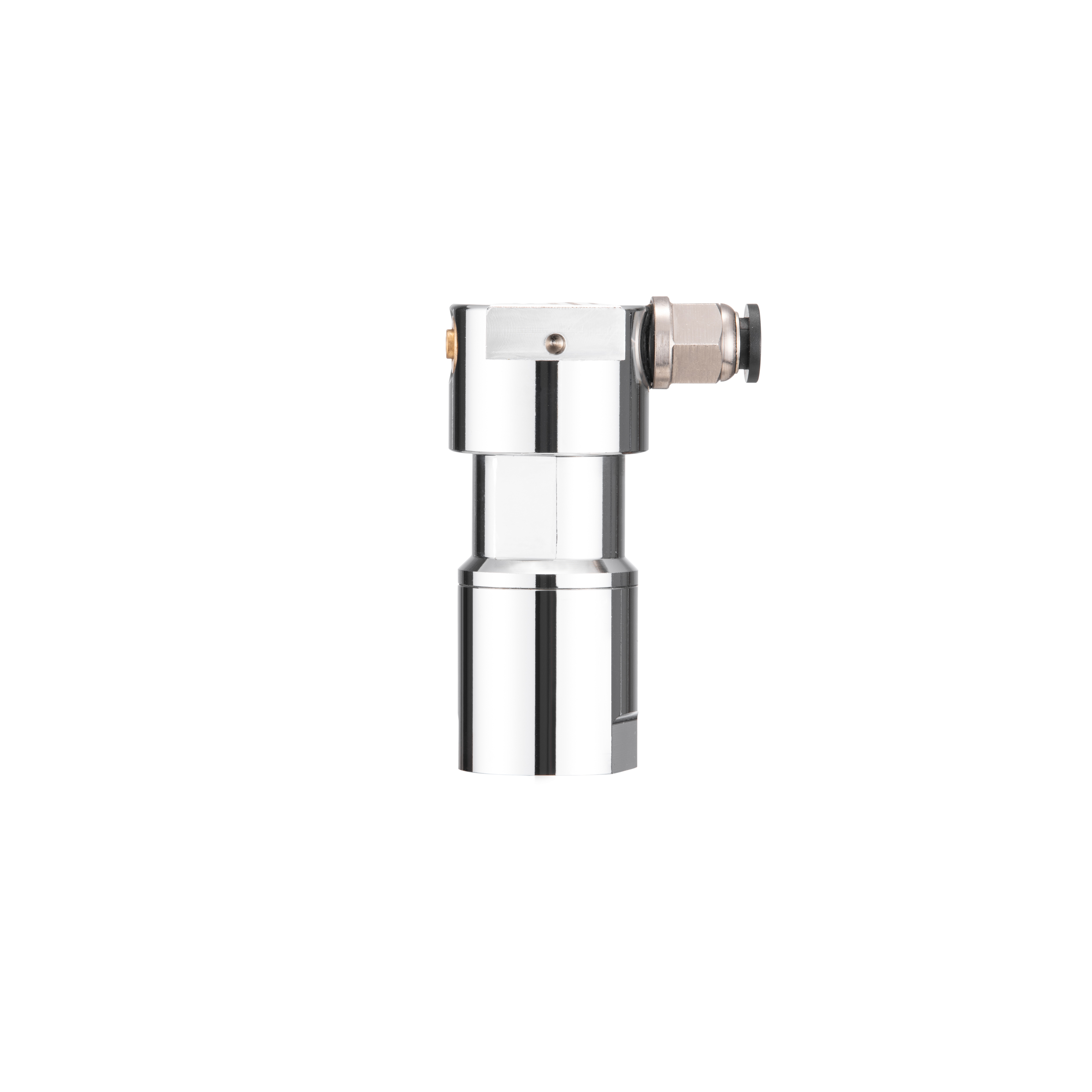
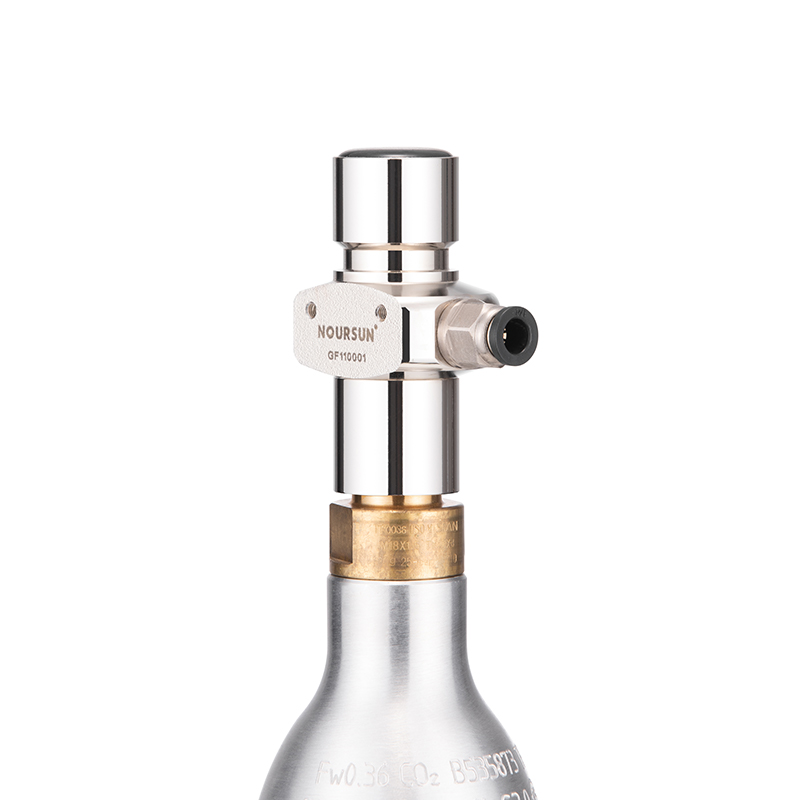
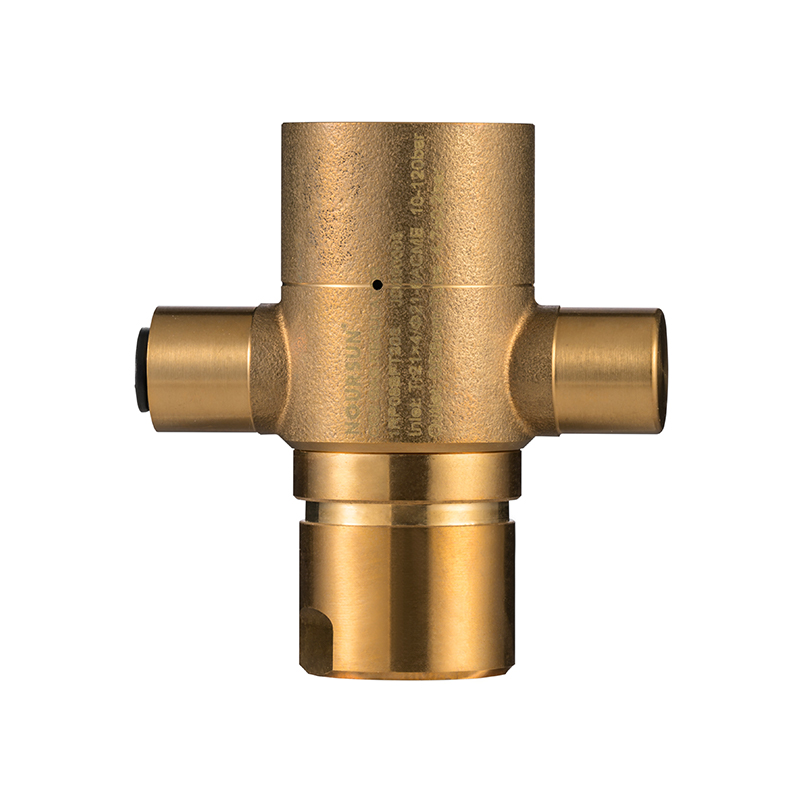
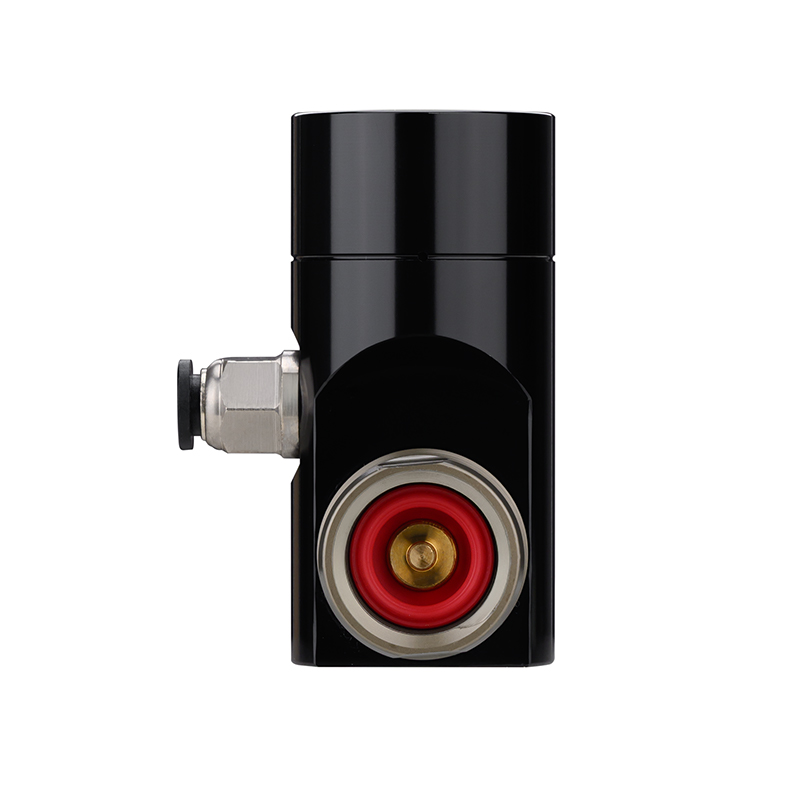
A Pressure Regulator is one of those components that quietly decides whether a system works the way it should. Step back far enough and the category splits into a wide family: a Gas Regulator metering CO2 into a soda maker, a Precision Pressure Regulator holding a tight tolerance for a lab dosing line, a home pressure regulator keeping a countertop appliance safe, a commercial gas regulator running a draft beer line through a full service shift, and an Industrial Gas Regulator feeding a continuous process line for hours at a time. The engineering underneath each of these looks similar at first glance, but the tolerances, materials, and duty cycles diverge quickly once you get into real-world use. This piece walks through how regulation actually behaves across that range, what tends to go wrong when the wrong tier gets selected, and what questions are worth asking before specifying one.
At its core, a Gas Regulator is a mechanical negotiation between inlet pressure and outlet demand. A spring-loaded diaphragm senses downstream pressure and opens or closes a poppet to keep output steady even as the supply tank empties from full to near-zero. The part that surprises people who haven't specified one before is how much that "steady" outlet pressure can actually drift depending on build quality — a loosely toleranced unit might swing 10–15% across a tank's life, while a tightly built one holds within a couple of percentage points. Ningbo Noursun Industrial Co., Ltd works across this exact range, building regulation hardware that spans consumer countertop use up through continuous industrial duty, which is part of why the tolerance gap between tiers matters so much in how we approach design.
The practical difference shows up as soon as you compare typical operating windows side by side. A unit built for a home soda maker rarely needs to hold above roughly 60 psi, a commercial dispensing setup usually runs in the 100–125 psi band to keep pour consistency across a busy shift, and an Industrial Gas Regulator feeding a process line is frequently specified well past 250 psi with a wider safety margin built into the housing itself.
Illustrative operating windows commonly seen across each tier; exact ranges vary by gas type and system design.
The label on a spec sheet matters less than the duty cycle behind it. A home pressure regulator built for occasional carbonation or a single countertop appliance is designed around infrequent use and a forgiving tolerance — it doesn't need to survive eight hours of continuous draw. A commercial gas regulator sitting behind a bar or a beer dispensing line lives a harder life: repeated tank swaps, near-constant flow during service, and a much lower tolerance for pressure sag mid-pour, since that's the difference between a clean pour and a foamy one. Noursun's own product range grew out of exactly that kind of applied variety — the company serves home soda making, beer dispensing, carbonated skincare, pest control, hydroponics, and veterinary medicine, and each of those categories pulls regulation hardware in a slightly different direction.
Hydroponic misting systems, for example, care most about repeatability over long unattended cycles rather than raw pressure. Veterinary gas delivery cares about fine, low-range adjustability where a small dial movement produces a small, predictable change in output. Pest control formulation equipment often needs a regulator that won't drift even as ambient temperature swings across a work day. None of these are solved by simply choosing a bigger or smaller Pressure Regulator — they're solved by matching the internal tolerance and adjustment range to how the equipment is actually used.
Conceptual illustration of how tolerance quality affects output consistency over a service cycle, not measured test data.
A Precision Pressure Regulator earns that label through repeatability, not just a narrower dial. The same setpoint should produce the same output tomorrow, next month, and after a thousand cycles — which matters enormously for applications like carbonated skincare dosing or veterinary anesthesia delivery, where a drifting regulator doesn't just underperform, it changes the outcome of whatever process it's feeding. Getting there depends less on a single clever part and more on manufacturing consistency across every unit that leaves the line.
This is where the engineering side of the business becomes relevant to the buying decision. Building regulators that hold tolerance across large production runs, rather than just on a bench prototype, takes sustained investment: Noursun puts roughly 7% of annual revenue into R&D, holds more than 35 patents, and files around 10 new applications each year. That level of internal development work is what supports customized pressure control solutions for an Industrial Gas Regulator line running continuously, rather than a general-purpose part adapted after the fact — a point that reflects how the company describes itself, Ningbo Noursun Industrial Co., Ltd. Advanced manufacturing equipment and an ongoing shift toward digital production management have also tightened batch-to-batch consistency and helped keep delivery timelines predictable, which matters just as much as the part itself when a client is qualifying a supplier.
Figures reflect Noursun's stated patent portfolio and annual filing pace.
Most regulator selection mistakes happen before the part number is even chosen — usually from matching pressure rating alone and skipping everything else that determines whether a unit will actually hold up in service. A short list worth working through:
A quick side-by-side of the three tiers makes the trade-offs easier to see, and it's the same framework we walk clients through when a home pressure regulator project scales up into something closer to commercial or industrial use.
| Tier | Typical Outlet Range | Common Duty Cycle | Typical Application |
|---|---|---|---|
| Home | 0–60 psi | Occasional | Countertop carbonation |
| Commercial | 0–125 psi | Frequent, shift-length | Beverage dispensing |
| Industrial | 0–300+ psi | Continuous | Process and hydroponic systems |
Illustrative comparison of relative performance characteristics between regulator tiers.
In practice the terms overlap — a gas regulator is a pressure regulator built and sealed specifically for gas media rather than liquid, with attention to seal compatibility and leak tightness that a liquid-side regulator doesn't need.
It can work briefly, but the shorter duty cycle it's built for tends to show up as pressure drift once it's run continuously through a full service shift, so most operations move to a commercial-rated unit fairly quickly.
Most of the added cost sits in tighter manufacturing tolerances, more durable internal materials, and a wider safety margin built into the housing to handle continuous, higher-pressure operation.
A control knob or screw compresses or releases the internal spring, which changes the diaphragm's balance point and shifts the outlet setpoint up or down.
Not necessarily more frequent, but it does benefit from periodic setpoint checks, since the whole value of a precision unit is holding a tolerance that's easy to overlook until it drifts.
ADD: No. 50, Zhongxing East Road, Xikou Town, Fenghua District, Ningbo City, Zhejiang Province, P.R. China
0086-574-88881358
0086-574-88473625
About Us
Industry Applications
News & Events
